From One Big Party to a Whole Year of Support: How Small Towns Are Reinventing the Crawfish Boil
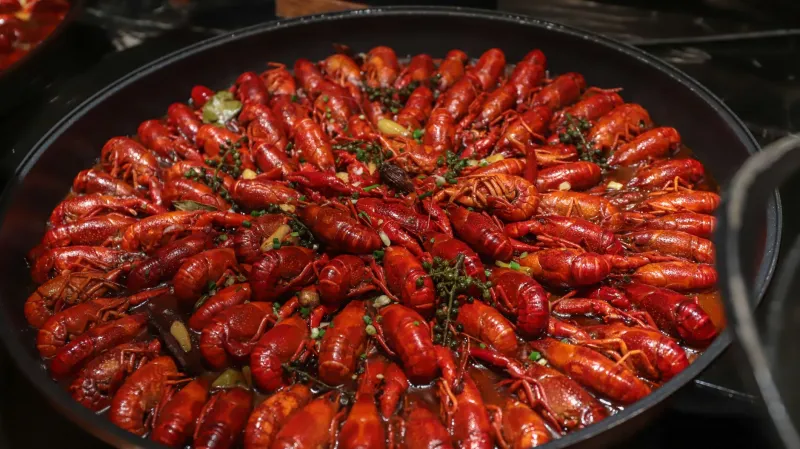
For most people, the crawfish boil is a spring thing. You pick a Saturday in April or May, you fire up the propane, you dump a hundred pounds of mudbugs into a pot seasoned with enough cayenne to make your eyes water, and you eat until you can't move. Then you wait until next year.
But in a handful of small towns across Louisiana, Texas, and Mississippi, something different is happening. Local organizers — many of them cancer survivors or caregivers themselves — are asking a harder question: what if the boil was just the beginning?
What they've built in response isn't flashy. There are no corporate sponsors or polished marketing decks. What there is, though, is something more durable — a patchwork of seasonal events, community relationships, and informal fundraising structures that keep cancer patients supported long after the crawfish season winds down.
The Problem With Once a Year
Anyone who's been through a cancer diagnosis — or loved someone who has — knows that the need doesn't follow a calendar. Chemo happens in February. Radiation bills arrive in October. The exhaustion of treatment doesn't pause for summer. But historically, a lot of community fundraising has been one-and-done: one big event, one big check, and then silence until next spring.
"We raised $4,000 at our boil one year and felt amazing about it," says one organizer from a small parish in south Louisiana who's been running cancer fundraisers for nearly a decade. "Then I found out the family we raised it for had burned through it in six weeks just covering gas to treatments and groceries. That hit me hard. We needed to do more than throw a party."
That realization — that a single event, however successful, can't carry the weight of a long cancer journey — is what's pushing communities to think bigger.
Building the Off-Season: Winter Crawfish Sales
One of the most creative adaptations has been the emergence of winter crawfish sales in communities that traditionally only boil in spring. Live crawfish are available year-round from commercial suppliers, even if the price is higher outside peak season. Some organizers have started partnering with local seafood distributors to run pre-order sales in November and December, tying crawfish to holiday gatherings and using the markup to fund ongoing cancer support.
It sounds simple, and honestly, it is. Families place orders, pick up their crawfish for Christmas or New Year's, and a portion of every pound sold goes directly to a local cancer fund. The cultural hook is already there — Louisianans don't need a lot of convincing to add crawfish to a holiday spread — and the fundraising infrastructure piggybacks on something people were already going to do.
"People want to give, but they don't always want another gala or another 5K," says a community organizer in Southeast Texas who launched a winter crawfish pre-order program three years ago. "Give them an excuse to eat good food and help their neighbor? They're in every time."
The Spring Circuit: Turning One Event Into Many
In some communities, the traditional single boil has evolved into something closer to a fundraising circuit — a series of smaller events spread across the crawfish season rather than one massive gathering. Think of it like a mini-tour. One weekend it's a church parking lot in one town. The next, a VFW hall twenty miles away. Each event is smaller and easier to organize, but together they generate more money and, just as importantly, more sustained community attention.
The circuit model also spreads the volunteer load, which matters enormously in small towns where the same twenty people tend to run everything. When you're not trying to pull off one giant event, burnout drops. New volunteers step up. And every event becomes a chance to introduce someone new to the cause.
Organizers who've tried this approach say the cumulative fundraising often surprises them. "Our single big boil used to raise maybe $6,000 on a good year," one organizer notes. "When we broke it into four smaller events across six weeks, we ended up closer to $11,000 — and we had way more people involved by the end of it."
Summer Awareness, Fall Momentum
The crawfish season typically winds down by June, which used to mean the community energy around cancer support fizzled out too. But smarter organizers have learned to use the summer and fall months for awareness work that keeps the network warm — even when the pots are cold.
Summer might mean partnering with a local farmers market to sell crawfish-based products — frozen tail meat, seasoning blends, branded merchandise — with proceeds going to the cancer fund. It might mean hosting a community health fair with free screenings, keeping the cancer conversation going in a preventive direction rather than just a fundraising one.
Fall often becomes the planning season: community meetings, volunteer recruitment, early ticket sales for the next spring circuit. Some groups have started hosting small "kickoff" dinners in October or November — a modest crawfish étouffée supper, say — that serve as both a social gathering and a way to announce the coming season's fundraising goals.
Keeping It Real
The risk in all of this, and the organizers most invested in it will tell you this themselves, is that growth can drain the soul out of something that works precisely because it feels genuine. The crawfish boil is powerful as a fundraising tool partly because it doesn't feel like a fundraiser. It feels like a neighborhood gathering where something good also happens to get done.
The most successful year-round networks seem to understand this intuitively. They resist the urge to over-professionalize. The events stay casual. The food stays authentic. The focus stays local — on specific families, specific patients, specific needs — rather than drifting toward abstraction.
"We're not trying to be a nonprofit," one organizer says plainly. "We're trying to be neighbors. The crawfish is just how we do it."
What Other Communities Can Borrow
You don't need a decade of experience or a formal organization to start moving in this direction. The communities that have made this work share a few common traits: they have at least one or two deeply committed people willing to do the unglamorous coordination work, they've built real relationships with local seafood suppliers, and they've kept their focus hyper-local — meaning the money raised stays in the community where it was raised.
If your town has a crawfish boil tradition, even a modest one, you already have the foundation. The question is just whether you're willing to build on it — to let the boil be the start of something rather than the whole thing.
Because cancer doesn't take a season off. And neither should the people who show up for their neighbors.
Crawfish for Cancer connects communities across the South with resources for turning local food traditions into lasting cancer support. Learn more at crawfishforcancer.org.