Mud, Chemicals, and Silence: The Hidden Health Toll on the People Who Harvest Your Crawfish
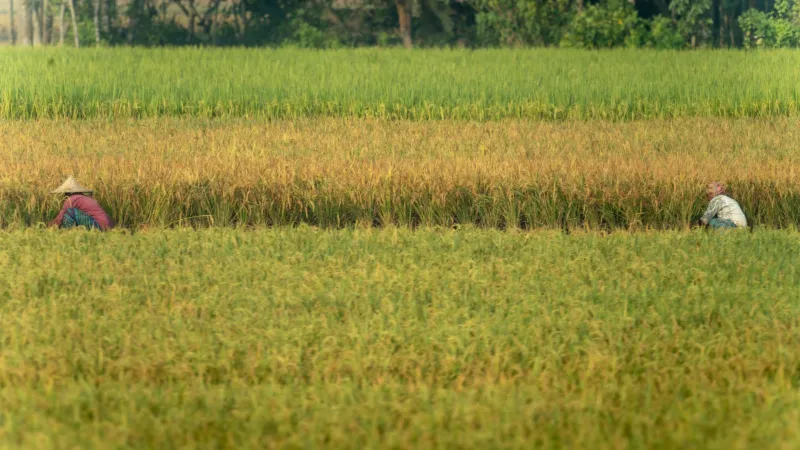
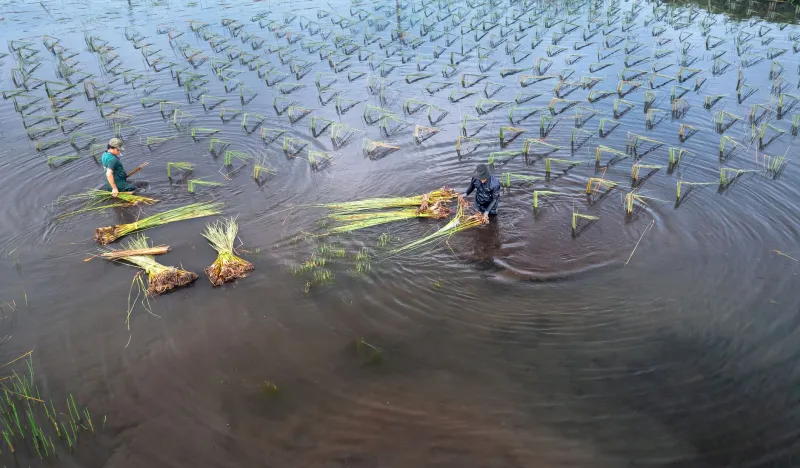
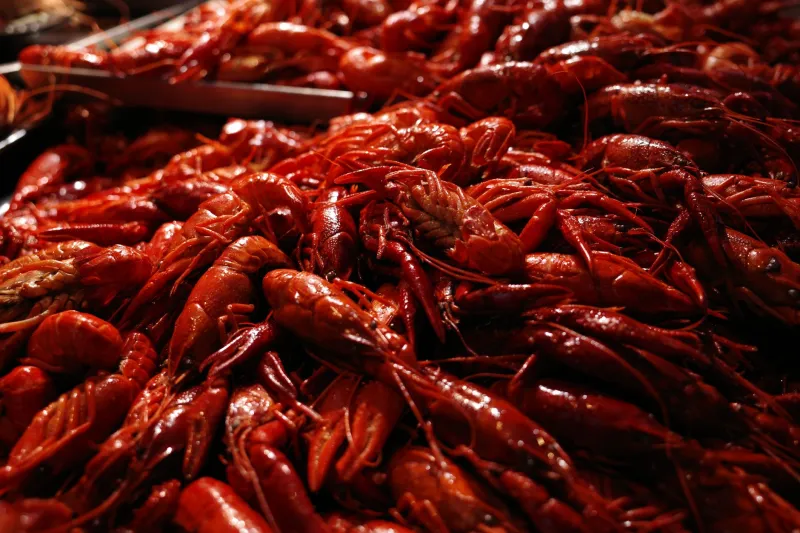
Before a single crawfish hits a boiling pot, before the Cajun spices bloom in the steam, before a fundraising table gets set up at a community boil — somebody has to wade into a flooded rice field at 5 a.m. and pull those creatures out of the mud by hand. That somebody is doing one of the most physically punishing, chemically exposed jobs in American agriculture. And increasingly, researchers and community advocates are asking an uncomfortable question: are we losing these workers too soon?
The crawfish harvesting industry, centered in Louisiana but stretching across parts of Texas, Mississippi, and Arkansas, employs tens of thousands of seasonal and full-time workers. Most are small-scale family farmers or hired laborers who operate in conditions that fall well outside the reach of standard occupational health protections. They don't make headlines. They don't have powerful unions. And when they get sick — really sick — they often don't have the insurance or the vocabulary to connect their illness to their work.
What's Actually Happening in the Fields
The hazards crawfish workers face aren't mysterious. They're just underdiscussed.
Pesticide and herbicide exposure ranks near the top of the list. Crawfish ponds are often located on or near rice fields, and the chemicals used to manage those crops don't stay neatly contained. Studies from Louisiana State University's AgCenter have flagged organophosphate pesticides — a class linked to non-Hodgkin lymphoma and other cancers — as a persistent concern in crawfish farming environments. Workers who handle traps, wade through treated water, or work near fields during application windows absorb these compounds through skin contact and inhalation, often without adequate protective gear.
Then there's the water itself. Crawfish ponds sit in low-lying areas where agricultural runoff concentrates. Nitrates, heavy metals, and industrial byproducts from surrounding land use don't just affect the crawfish — they affect the people who work knee-deep in that water for six to eight months a year.
Repetitive strain and physical injury add another layer. Hauling wire traps, bending over boats, and lifting hundreds of pounds of live crawfish daily creates chronic musculoskeletal stress. That kind of physical wear doesn't cause cancer directly, but it does suppress immune function over time and keeps workers from seeking medical care until problems have progressed far beyond where they should have been caught.
The Numbers Nobody Wants to Talk About
Hard data on cancer rates among crawfish workers specifically is frustratingly scarce. That scarcity is itself part of the problem. Agricultural workers in the South are chronically undercounted in occupational health studies. Many are uninsured, meaning their diagnoses — when they happen — never make it into employer records or state health databases. Others are undocumented or work under informal arrangements that put them entirely outside the reach of reporting systems.
What we do have is broader context. The National Cancer Institute has documented elevated rates of several cancers among agricultural workers generally, including leukemia, multiple myeloma, and cancers of the lip, stomach, and prostate. Louisiana itself consistently ranks among the highest states for cancer incidence and mortality, a fact driven in part by its concentration of petrochemical industry and agricultural chemical use. When you overlay those patterns onto a workforce that spends half the year in chemically complex water, the picture becomes hard to ignore.
Community health workers in the Atchafalaya Basin and Acadiana region will tell you, anecdotally, what the data can't yet confirm statistically: they know families where multiple members who worked the crawfish ponds have died of cancer. They know men in their fifties who look like they're in their seventies. They know women who've been told their chronic fatigue and joint pain are just part of getting older, when something more systemic may be at work.
Why the Industry Has Been Slow to Respond
Crawfish farming is a tight-margin business. The average Louisiana crawfish farmer isn't a corporate agribusiness operation — they're a family running a few hundred acres of pond on a good year, absorbing bad seasons when prices crash or drought hits. Investing in occupational health infrastructure, protective equipment programs, or worker health screenings feels like a luxury when you're not sure you'll break even.
There's also a cultural piece. The communities where crawfish is king are communities where toughness is a deeply held value. Complaining about exposure to mud and chemicals can feel like complaining about the weather — just something you deal with. That stoicism, admirable in many contexts, becomes dangerous when it delays cancer diagnoses by months or years.
Regulatory gaps make things worse. The Occupational Safety and Health Administration has historically under-enforced protections for agricultural workers, and small farms with fewer than ten employees are exempt from many OSHA standards entirely. State-level protections in Louisiana and Texas have not historically filled that gap.
Where the Crawfish Community Can Actually Help
This is where organizations like ours have a real role to play — not just raising money for cancer treatment, but pushing for prevention at the source.
Several promising partnership models are already emerging. The Louisiana Crawfish Producers Association has begun quiet conversations with public health groups about voluntary health screening programs for member farms. The idea is straightforward: bring mobile health units to farm communities during the off-season, offer free screenings for cancers with known links to chemical exposure, and connect workers to follow-up care before things get critical.
Fundraising boils can be directly tied to these efforts. When a community organization hosts a crawfish boil and dedicates a portion of proceeds to occupational health programs for farm workers, the symbolism is powerful and the impact is concrete. You're not just eating crawfish to fight cancer in the abstract — you're fighting cancer for the specific people whose labor made that meal possible.
Advocacy matters too. Supporting expanded pesticide safety regulations, pushing for agricultural worker inclusion in occupational health studies, and demanding that Louisiana and federal health agencies close data gaps on farm worker cancer rates — these are causes that crawfish-centered communities are uniquely positioned to champion. We have credibility in these spaces. We know these workers. We sit at the same tables.
The Boil as a Circle of Care
There's something fitting about the idea that the same gathering — a crawfish boil, steaming and communal and deeply Southern — can serve as both a celebration of the people who grow this food and a fundraising mechanism to protect their health. That circle of care is exactly what this work is about.
The harvesters who get up before dawn to pull traps in cold water deserve more than our appetite. They deserve our attention, our advocacy, and yes — our fundraising energy. The next time you're planning a boil to raise money for cancer causes, consider making farm worker health part of the story you tell. Put it on your flyer. Talk about it while the pot heats up. Let people know that the mud on those crawfish came from real human hands, and those hands need protecting.
Boiling up hope, one pound at a time, means something a lot richer when you know whose labor you're honoring.