Skip the Wellness App: Why a Crawfish Boil Does More for Your Health Than Most Trendy Prevention Programs
Every few months, a new wellness trend promises to lower your cancer risk. Cold plunges. Adaptogenic mushroom powders. Infrared saunas. Personalized microbiome kits that cost more than a month of groceries. The marketing is polished, the influencers are convincing, and the price tags are steep.
Meanwhile, in backyards across Louisiana, Texas, Mississippi, and beyond, people have been doing something arguably more effective — and a whole lot more fun — for generations. They've been boiling crawfish together.
That's not a throwaway line. When you look at what cancer prevention science actually prioritizes — reduced chronic stress, strong social bonds, anti-inflammatory eating patterns, seasonal whole foods, and a sense of community belonging — the traditional Southern crawfish boil checks a remarkable number of those boxes. And it doesn't require a subscription.
The Loneliness Problem That Nobody in Wellness Is Talking About Enough
Here's a statistic worth sitting with: chronic social isolation carries health risks comparable to smoking 15 cigarettes a day, according to research from Brigham Young University. The inflammation pathways activated by prolonged loneliness are the same ones implicated in tumor development and cancer progression. This isn't fringe science anymore — it's showing up in oncology literature with increasing regularity.
Cancer prevention conversations tend to focus on diet and exercise, which matter enormously. But the role of sustained social connection in regulating the body's stress response — and by extension, its inflammatory load — is underplayed in most mainstream wellness content.
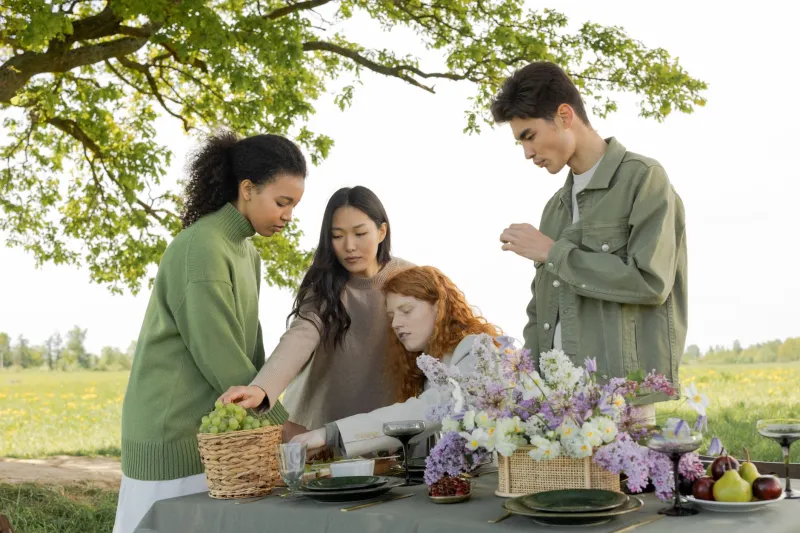
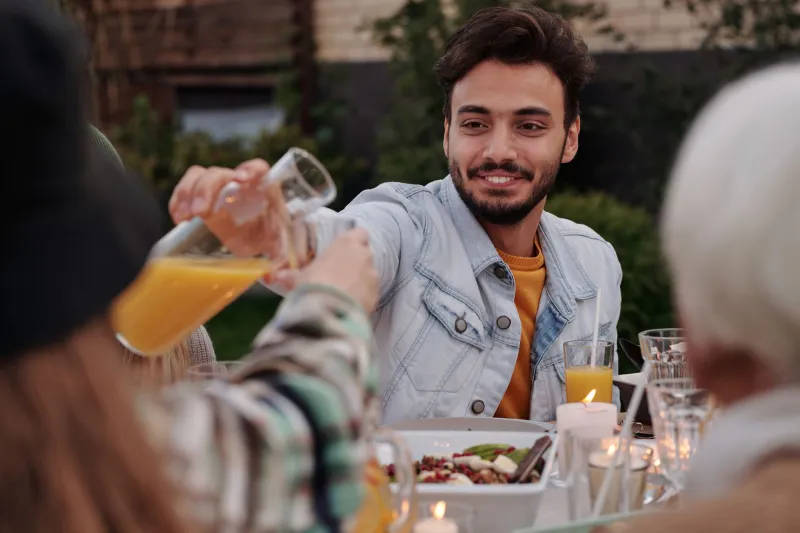
A crawfish boil is, at its core, an extended gathering. People stand together for hours. Conversations overlap. Kids run around while grandparents peel. Strangers end up at the same table. That kind of low-stakes, unhurried togetherness activates the parasympathetic nervous system — the biological counterweight to the fight-or-flight stress response that, when chronically elevated, creates conditions favorable to disease.
You can't get that from a meditation app. You can get it from a good boil.
What's Actually in That Pot
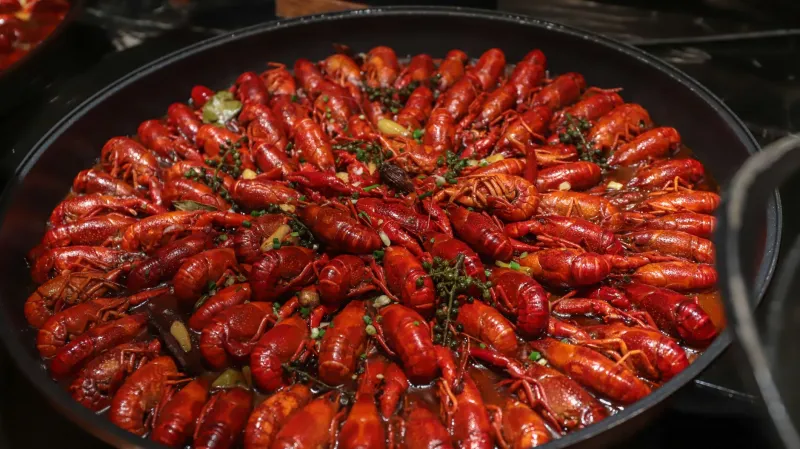
Set the social science aside for a moment and just look at the food. Crawfish are nutritionally dense in ways that align almost directly with what researchers associate with reduced cancer risk.
A three-ounce serving of cooked crawfish delivers around 14 grams of protein with minimal saturated fat — important because diets high in saturated fat are linked to increased risk for several cancers, including colorectal and breast. But the more interesting story is in the micronutrients.
Crawfish are a meaningful source of selenium, a trace mineral with well-documented antioxidant properties. Selenium supports the body's production of glutathione, one of its primary internal defense systems against oxidative cellular damage — the kind of damage that, over time, contributes to cancer development. They also contain zinc, which plays a role in DNA repair mechanisms, and vitamin B12, which is involved in cell replication fidelity.
And then there's astaxanthin — the carotenoid pigment that gives crawfish their reddish color after cooking. Astaxanthin is one of the more potent antioxidants found in seafood, with emerging research suggesting it may help neutralize the free radicals associated with chronic inflammation.
This isn't the nutritional profile of a junk food. It's the profile of a whole food that happens to taste incredible when cooked with Cajun spice.
Seasonal Eating as a Health Strategy
One underrated aspect of traditional crawfish culture is its seasonality. The peak boil season runs roughly from late winter through early summer in Louisiana, with the timing shifting slightly depending on the year's conditions. That rhythm — building toward a season, participating in it fully, then letting it go — mirrors eating patterns that nutritionists increasingly associate with better metabolic health.
Seasonal eating naturally introduces variety into the diet. It aligns consumption with periods of peak nutritional density in foods. And it creates anticipation, which is its own form of psychological wellness. The crawfish boil isn't just a meal — it's an event people look forward to, plan around, and remember. That kind of positive anticipatory experience has measurable effects on mood-regulating neurochemistry.
Compare that to the monotony of a year-round supplement protocol or a rigid elimination diet. Sustainability matters enormously in prevention. Practices people actually enjoy and return to year after year create cumulative health benefits that short-term wellness experiments simply cannot.
The Stress Reduction Nobody Sells You
Chronic psychological stress is one of the most consistent risk factors identified in cancer research — not because stress directly causes cancer in a simple one-to-one mechanism, but because sustained cortisol elevation suppresses immune surveillance, promotes inflammation, and accelerates cellular aging. The body's ability to identify and eliminate abnormal cells is compromised when it's stuck in a prolonged stress state.
Relaxation is, in this sense, a legitimate cancer prevention strategy. And the wellness industry has monetized it aggressively — charging premium rates for stress-reduction retreats, breathwork courses, and guided relaxation programs.
A crawfish boil does something similar, for free, in a way that's culturally embedded and socially reinforced. Standing around a steaming pot with people you care about, eating with your hands, laughing, listening to music, and not looking at your phone for three hours is genuinely restorative. It's not marketed as therapy. It doesn't need to be.
Research on what psychologists call "effortless restoration" — the kind of mental recovery that happens during low-demand, pleasant social activities — suggests that these informal gatherings do measurable work on the body's stress physiology. The benefits aren't as glamorous as a spa weekend, but they're real, and they're available to anyone with a propane burner and a sack of live crawfish.
What Communities With Deep Food Traditions Already Know
Anthropolologists and public health researchers have long noted that tight-knit communities with strong food-centered cultural practices tend to show better health outcomes than their social isolation metrics alone would predict. The so-called "Hispanic paradox" — in which Latino communities in the US often show lower rates of certain cancers and cardiovascular disease despite lower average incomes — is partly attributed to strong family cohesion and communal eating traditions.
Southern crawfish culture operates on similar principles. The boil is a community infrastructure. It's how people check in on each other, support each other through hard times, and maintain the kind of dense social networks that buffer against the health consequences of stress and isolation.
When Crawfish for Cancer hosts or supports a boil fundraiser, something more than money changes hands. People who are fighting cancer — or watching someone they love fight it — get to be part of something larger than their diagnosis. That sense of belonging and purpose has documented physiological effects. It's not a metaphor. It's biology.
The Bottom Line
This isn't an argument against modern medicine or evidence-based prevention strategies. Screening matters. Exercise matters. Not smoking matters enormously. But the wellness industry's tendency to package prevention as something expensive, individualized, and technologically mediated obscures how much health-protective potential already exists in the cultural practices many communities have carried for generations.
The crawfish boil isn't a cure. It's not a clinical intervention. But as a vehicle for anti-inflammatory eating, stress reduction, deep social connection, and seasonal food participation — all of which have solid scientific backing as cancer-risk-reducing behaviors — it's a remarkably powerful tradition.
And the corn is pretty good too.