When Chemo Steals Your Appetite, These Crawfish Kitchen Tricks Bring It Back
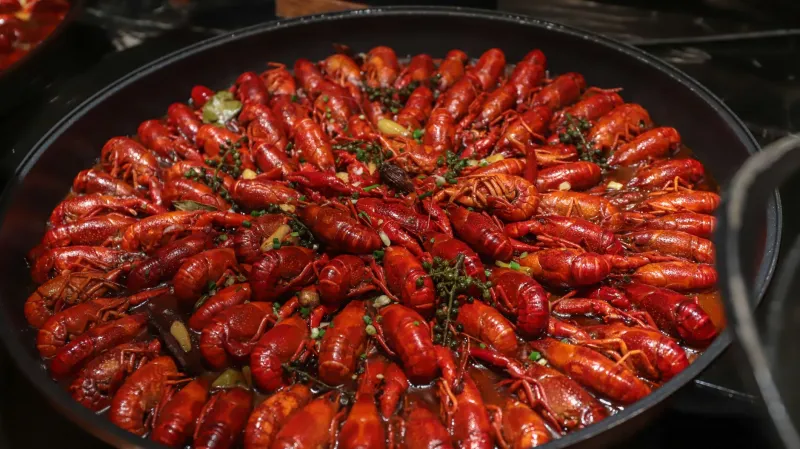
There's a particular kind of grief that doesn't get talked about enough during cancer treatment: the grief of losing your taste for food you've always loved. One week you're dreaming about a spicy crawfish boil with your family on the back porch. The next, the smell of garlic makes you queasy and everything tastes faintly metallic. If you've been through chemotherapy, you know exactly what we're describing.
But here's what we've learned from survivors, dietitians, and the kind of Louisiana grandmothers who refuse to let anyone leave the kitchen hungry — the flavors of Southern seafood cooking can still find a way to nourish you, even on the hardest treatment days. You just have to meet your body where it is.
Why Chemo Changes the Way Food Tastes
Chemotherapy drugs don't just target cancer cells. They affect fast-dividing cells throughout the body, including the taste receptor cells in your mouth. This is why so many patients report what oncology dietitians call "taste dysgeusia" — a distortion that makes sweet foods taste bitter, salty foods taste flat, and proteins like shrimp or crawfish take on a strange metallic edge.
Appetite loss compounds the problem. Nausea, mouth sores, and fatigue can make eating feel like a chore rather than a comfort. And yet, adequate nutrition during chemotherapy is directly tied to treatment tolerance, immune function, and recovery speed. Eating well isn't optional — it's part of the treatment plan.
The good news? A lot of the adjustments that help are surprisingly simple, and many of them align naturally with the way Southern seafood cooking already works.
Start With the Broth, Not the Boil
For patients who can't yet handle the full sensory experience of a traditional crawfish boil — the spice, the steam, the sheer volume of food — starting with a mild crawfish broth is a gentler entry point.
Simmer crawfish shells (saved from a previous boil or purchased from a seafood market) with celery, onion, a bay leaf, and a small amount of lemon juice. Skip the cayenne entirely at first. What you're left with is a light, savory broth that carries the soul of Southern cooking without overwhelming a sensitive stomach. Sip it warm from a mug, or use it as a base for a soft rice porridge.
Survivors who've tried this approach often describe it as "a taste of home without the assault." One Louisiana woman who went through breast cancer treatment in 2021 told us she kept a thermos of crawfish broth by her hospital bed. "It didn't taste exactly right," she said, "but it tasted like something. And some days, that's everything."
Mild Crawfish Étouffée for Sensitive Days
Étouffée is already one of the gentler expressions of Louisiana crawfish cooking — no boil, no shells to wrestle with, just tender crawfish tails in a buttery, aromatic sauce. With a few modifications, it becomes a genuinely chemo-friendly dish.
Modified Crawfish Étouffée for Treatment Days:
- Use frozen, pre-cooked crawfish tails (easier to tolerate than fresh-boiled)
- Replace the traditional Cajun seasoning blend with just a pinch of salt, white pepper, and a squeeze of lemon
- Cook your onion, celery, and bell pepper in unsalted butter over low heat until very soft — caramelized aromatics are gentler on the gut than sharp raw ones
- Add low-sodium chicken or crawfish broth and let everything simmer slowly
- Serve over plain white rice, which is easy to digest and provides quick energy
The lemon is key here. Many chemo patients find that sour or citrus notes cut through metallic taste distortion better than salt or spice. A squeeze of fresh lemon over almost any savory dish can bring flavor back into focus when your taste buds are struggling.
Cold Preparations Can Work Better Than Hot
Here's something counterintuitive: cold food often smells less intensely than hot food, which makes it easier for nausea-prone patients to tolerate. If the smell of cooking is a trigger for you, consider cold crawfish preparations instead.
A simple chilled crawfish salad — crawfish tails, diced cucumber, a little Greek yogurt in place of heavy mayo, fresh dill, and lemon zest — can be made in advance and eaten straight from the fridge. The cool temperature is soothing, the protein from the crawfish supports muscle maintenance during treatment, and the cucumber adds hydration.
Some patients also do well with crawfish mixed into cold pasta salads, where the starch helps buffer any residual digestive sensitivity. Keep the seasoning minimal and let the natural sweetness of the crawfish carry the dish.
Texture Matters More Than You Think
Mouth sores are a common side effect of certain chemotherapy drugs, and they change everything about how you interact with food. Hard, crunchy, or acidic foods become genuinely painful. Soft, smooth textures become your best friends.
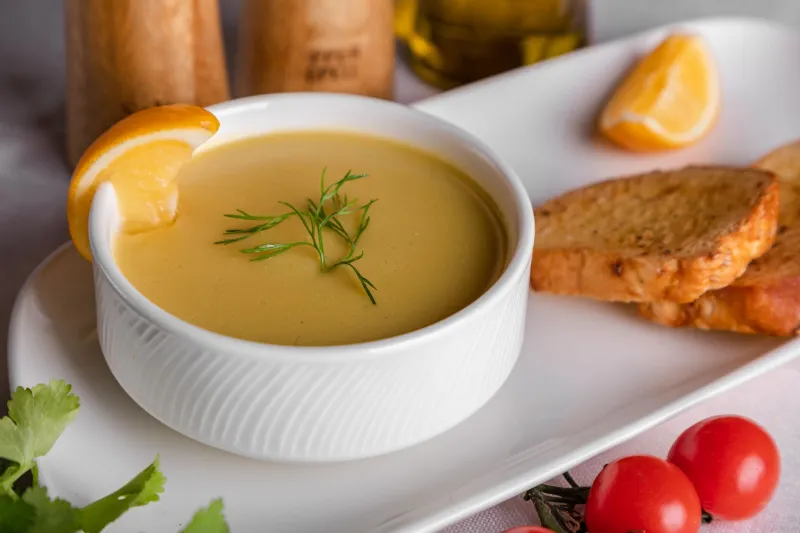
Crawfish tails, when gently cooked, have a naturally soft texture that works well for patients dealing with oral mucositis. Blending them into a smooth bisque — mild, cream-based, with just a whisper of seasoning — is one of the most comforting options available. Add a small amount of sweet potato for body and a natural sweetness that tends to register well even when taste is distorted.
If swallowing is difficult, that bisque can be thinned further with additional broth. The goal is always to get calories and protein in, whatever form that takes.
What Survivors Say Actually Works
We asked members of our community who've been through treatment to share the crawfish-based foods that helped them most. A few patterns emerged:
Lemon and butter together — almost universally reported as one of the few flavor combinations that "broke through" metallic taste. Simple crawfish tails tossed in melted butter and fresh lemon juice, nothing else, became a go-to for several survivors.
Small portions, more often — rather than sitting down to a full plate, eating a few bites of crawfish étouffée or bisque every couple of hours kept nutrition up without overwhelming a sensitive stomach.
Eating with others when possible — even when food didn't taste right, sharing a meal with family or friends made the experience more tolerable. The social ritual of the Southern table, it turns out, has its own kind of medicine.
Ginger alongside crawfish dishes — ginger is well-documented for its anti-nausea properties, and several patients found that a small piece of crystallized ginger eaten before a crawfish-based meal helped them keep the food down and actually enjoy it.
A Note on Nutrition During Treatment
Before making significant changes to your diet during chemotherapy, always loop in your oncology team or a registered dietitian who specializes in cancer care. Some treatments interact with specific foods or supplements, and what works beautifully for one patient may not be right for another. That said, the general principles here — mild seasoning, soft textures, cold preparations, lean protein from seafood, and small frequent meals — align closely with standard oncology nutrition guidance.
Crawfish, when prepared thoughtfully, offers real nutritional value: lean protein to support tissue repair, zinc and selenium for immune function, and B vitamins that the body needs during the cellular stress of treatment. It's not a cure. But it's good food, made with care, rooted in a culture that has always believed in feeding people through hard times.
And sometimes, that's exactly what healing looks like.