Stock the Freezer, Save the Season: A Cancer Patient's Guide to Batch-Cooking Crawfish Before the Last Boil
Why Crawfish Season Is Your Secret Weapon Against Hard Treatment Days
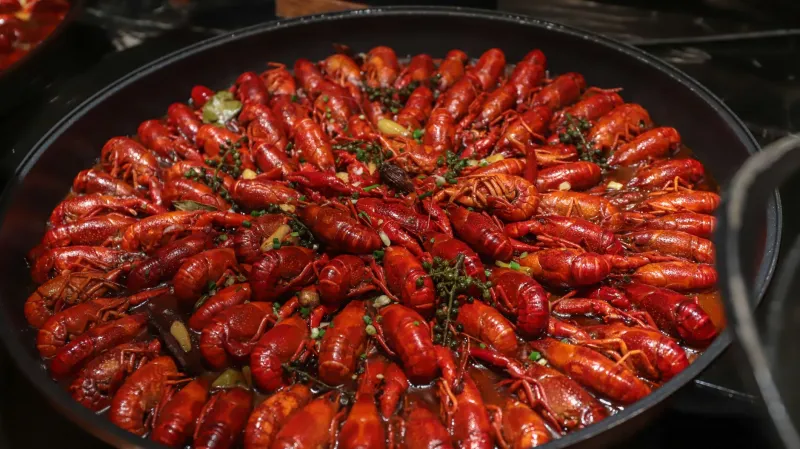
There's a narrow window every year — roughly late January through early June, depending on where you are in the South — when live crawfish are abundant, affordable, and absolutely worth celebrating. For most folks, that window means backyard boils, newspaper-covered tables, and enough spice to make your eyes water in the best way possible.
But if you or someone you love is navigating cancer treatment, that same window represents something else entirely: an opportunity. A chance to cook big, store smart, and build a freezer full of nourishing, soul-satisfying meals that will carry you through the weeks when getting off the couch feels like climbing a mountain.
Chemotherapy fatigue, radiation side effects, post-surgical recovery — these phases of treatment have a way of colliding with hunger at the worst possible times. You want to eat. Your body needs you to eat. But cooking? That's another story. Batch-prepping during crawfish season means you've already done the work before the hard days arrive.
What Makes Crawfish a Smart Choice During Treatment
Before we get into the prep strategy, it's worth understanding why crawfish earns a place in a cancer-conscious kitchen in the first place.
Crawfish tail meat is lean, high in protein, and rich in key nutrients that matter during treatment — including zinc, selenium, and vitamin B12. Protein supports tissue repair and helps maintain muscle mass, which can take a hit during chemotherapy. Selenium has been studied for its antioxidant properties, and B12 plays a role in keeping energy levels from tanking completely.
Just as importantly, crawfish connects to something emotional. For patients from Louisiana, Mississippi, Texas, and across the Gulf South, crawfish tastes like home. It tastes like summer coming, like family gathered, like normal life. That emotional connection to food isn't trivial — it genuinely affects appetite and the willingness to eat when nausea or taste changes make everything feel unappealing.
Planning Your Batch-Cook: Start With a Strategy
The goal of a treatment-season meal prep isn't to cook every crawfish dish you've ever loved all in one weekend. It's to build a flexible inventory of ready-to-reheat meals and components that can be mixed, matched, and adjusted based on how you're feeling on any given day.
Here's a simple framework to get started:
Cook in components, not just full dishes. A pot of seasoned crawfish tails can become étouffée, a rice bowl, a pasta sauce, or a simple soup depending on what sounds good that day. Freeze the base component, then finish the dish with minimal effort when you're ready.
Batch-cook on your good days. Treatment schedules often follow predictable patterns. Many patients feel relatively well in the days just before their next infusion or treatment round. Use those windows to cook and freeze — even a two-hour session can stock your freezer for weeks.
Label everything clearly. Date, contents, and portion size. When brain fog is real and fatigue is high, you don't want to be guessing what's in the container or whether it's still good.
Freezer-Friendly Crawfish Dishes Worth Making in Bulk
Classic Crawfish Étouffée
Étouffée freezes beautifully, which makes it one of the best candidates for a big batch-cook. Make a large pot using your family recipe or a trusted standard version — butter, the holy trinity of onion, celery, and bell pepper, garlic, crawfish tails, and a good Cajun seasoning blend. Let it cool completely before portioning into two-cup freezer containers. Serve over rice, which you can also cook in bulk and freeze in individual portions.
Treatment-friendly tip: If your patient is dealing with mouth sores or difficulty swallowing, thin the étouffée slightly with low-sodium broth before reheating to create a softer, easier-to-eat consistency.
Crawfish and Corn Chowder
Creamy soups are often easier to eat during treatment, especially when solid foods feel unappealing. A crawfish and corn chowder — made with sweet corn, diced potatoes, onion, a light cream base, and plenty of crawfish tails — is filling, comforting, and gentle on a sensitive stomach. Freeze in single-serving portions for easy reheating.
Treatment-friendly tip: Leave the heavy cream out before freezing and stir it in during reheating. Dairy doesn't always freeze well in soups, and this approach gives you more flexibility if dietary needs change.
Crawfish Rice Casserole
A simple baked casserole with crawfish tails, cooked rice, diced vegetables, and a mild, savory sauce is one of the most practical freezer meals you can make. It reheats evenly, portions easily, and can be dialed back on spice for days when everything tastes too intense. Cut the finished casserole into individual squares, wrap each one, and freeze flat.
Treatment-friendly tip: For patients dealing with metallic taste — a common chemotherapy side effect — try adding a small amount of lemon zest or a splash of apple cider vinegar to the sauce before baking. Mild acids can sometimes help counteract that unpleasant metallic quality.
Storage Tips That Actually Work
Freezing crawfish-based dishes the right way makes all the difference between a meal that tastes great six weeks later and one that ends up in the trash.
- Cool completely before freezing. Hot food in the freezer raises the internal temperature and compromises everything around it.
- Use airtight containers or heavy-duty freezer bags. Squeeze out as much air as possible to prevent freezer burn.
- Most cooked crawfish dishes last 2–3 months in the freezer without significant quality loss. Beyond that, they're still safe but may lose flavor and texture.
- Thaw overnight in the refrigerator rather than on the counter. Slow thawing preserves texture and reduces food safety risk — something especially important for patients with compromised immune systems.
- Reheat gently. Low and slow on the stovetop, or covered in the microwave at reduced power. High heat can make crawfish rubbery and unpleasant.
Caregiver Notes: Making This Work for Someone Else
If you're the one doing the cooking for a patient in treatment, a few extra considerations go a long way.
Ask about current food aversions before you cook a big batch of anything. Taste and smell sensitivity can shift dramatically from one treatment cycle to the next, and something that sounded great last month might be a hard no today. Flexibility is everything.
Keep spice levels moderate in your frozen batches. It's much easier to add heat at the table than to deal with a dish that's too intense for a sensitive stomach. A small jar of Cajun seasoning on the side lets the patient control their own experience.
And don't underestimate the emotional weight of a home-cooked Southern meal showing up in the freezer. When someone is sick and cooking feels out of reach, pulling out a container of crawfish étouffée that smells like home — that matters more than any nutrition label.
The Bigger Picture: Eating Through Treatment, One Season at a Time
Crawfish season doesn't last forever. But the meals you make during it can carry a patient through some of the hardest months of their life. That's the kind of practical, community-rooted support that we believe in here at Crawfish for Cancer — turning a beloved Southern tradition into something that genuinely serves people when they need it most.
Stock that freezer. Cook with love. And when the season rolls back around next year, you'll know exactly what to do.