She Threw a Crawfish Boil in the Middle of Chemo — and Started Something Nobody Expected

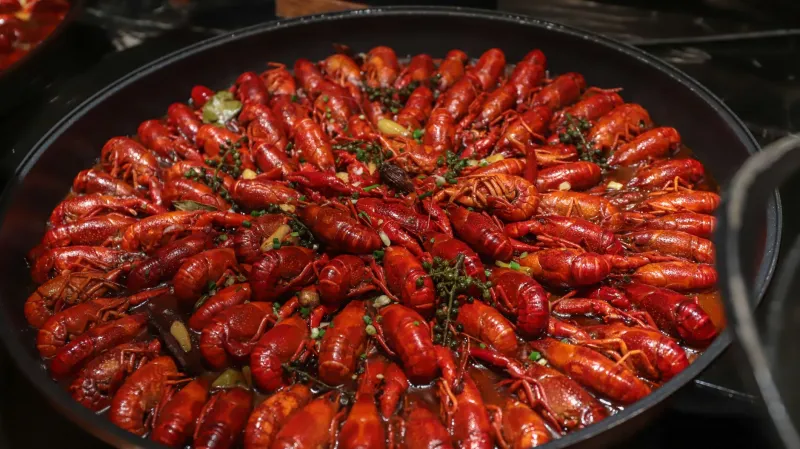
Denise Thibodaux will tell you straight up that she's not a hero. She's a woman from Breaux Bridge, Louisiana, who got a scary diagnosis, didn't know what else to do, and fell back on the thing her family had always done when life got hard: they boiled crawfish.
"My mama threw a crawfish boil when my daddy lost his job," she says, laughing a little. "She threw one when my brother got married, when my sister got divorced. It was just what you did. You got the people together and you fed them."
In the spring of 2014, six weeks into her first round of chemotherapy for stage two breast cancer, Denise decided to get the people together.
The Boil Nobody Thought Was a Good Idea
Her oncologist raised an eyebrow. Her sister tried to talk her out of it. Her husband, Robbie, quietly bought a hundred pounds of live crawfish anyway, because he knew her well enough to know the decision had already been made.
The gathering was small — maybe forty people crowded into their backyard on a warm April Saturday. Denise wore a headscarf and sat in a lawn chair for most of it, but she was there. She seasoned the pot herself. She argued with her uncle about the corn-to-sausage ratio. She ate more than she had in weeks.
"That was the first day I felt like myself," she says. "Not like a patient. Not like a diagnosis. Just like Denise."
Somebody passed a hat. Not at her request — a neighbor just quietly started it moving around the yard. By the time it came back around, there was $1,200 in it. Denise cried. Then she laughed at herself for crying. Then she started thinking.
From One Backyard to a Whole Movement
The next year, Denise was in remission and thinking bigger. She partnered with her local church, borrowed a few extra propane burners, and turned the backyard boil into a proper community event. She called it Boiling for a Cure — a name her daughter came up with on a school night — and charged twenty dollars a head for all-you-can-eat crawfish, corn, and potatoes.
Three hundred people showed up. They raised just over $18,000, all of which went directly to the oncology research fund at the regional hospital that had treated her.
"I didn't know how to run a nonprofit," she admits. "I didn't know how to do any of this. I just knew how to throw a party and I knew people wanted to help. You give people a reason to show up and a good time when they get there, and they will always bring their wallets."
She was right. The event grew every year. By 2018, Boiling for a Cure had moved to a local fairground, attracted sponsors from regional seafood distributors and a handful of national brands, and brought in more than $90,000 in a single afternoon. Denise had quietly become one of the most effective grassroots cancer fundraisers in the state of Louisiana.
Why the Crawfish Boil Works When Other Events Don't
Ask Denise why a crawfish boil, specifically, hits different than a gala or a fun run, and she doesn't hesitate.
"It's real," she says. "There's no pretending at a crawfish boil. You're standing at a table, getting your hands dirty, eating with strangers who become your friends by the time the last tail is peeled. You can't be stiff at a crawfish boil. You can't be lonely at one either."
That informality turns out to be a feature, not a bug, when it comes to cancer fundraising. People who might feel awkward writing a check at a formal dinner feel completely comfortable dropping cash in a jar next to a pile of crawfish. The communal eating, the shared labor of peeling, the noise and the laughter — it all lowers people's defenses in the best possible way.
Research on charitable giving backs this up. Events that create genuine social bonding generate more repeat donors than transactional fundraising formats. People don't just give money at a crawfish boil — they come back next year, and they bring someone new.
The Personal and the Political
Denise is honest about the fact that the boil does something for her too, every single year.
"I won't lie — that first one was selfish," she says. "I needed to feel normal. I needed to feel like I had some control over something. Cancer takes everything from you, your hair, your energy, your sense of the future. I needed to do something that was mine."
That emotional truth resonates with other survivors who've found their way to her table over the years. Denise now mentors a loose network of cancer survivors across Louisiana, Mississippi, and East Texas who have launched their own boil-based fundraisers, many of them inspired by her story. She's spoken at hospitals, community centers, and church halls about using cultural traditions as anchors during treatment.
"You don't have to reinvent yourself when you get sick," she tells them. "You just have to find the thing that makes you feel like you. For us down here, that's usually food. Usually it's a pot and a fire and people you love standing around it."
What a Decade of Boiling Has Built
As of last year, Boiling for a Cure has raised just over $430,000 for oncology research and patient support services in the Acadiana region. That money has funded a patient navigation program that helps newly diagnosed cancer patients in rural areas understand their treatment options — a resource that didn't exist in their community a decade ago.
Denise is still in remission. She still seasons the pot herself every spring. She still argues about the corn-to-sausage ratio.
"People ask me what my legacy is going to be," she says, shaking her head a little. "I don't know about legacy. I just know that every April, I get to stand in a field with a thousand people who care about each other, and we eat crawfish, and we raise money, and we remember why we're here. That's enough for me. That's more than enough."
Starting Your Own Tradition
Denise's story isn't a blueprint that requires a fairground or a thousand attendees. It started with forty people in a backyard and a hat passed between neighbors. If you're a survivor, a caregiver, or just someone who loves your community and knows how to fire up a pot, that's all the starting point you need.
The crawfish boil has always been about more than food. It's about showing up for each other. Denise just figured out how to point that energy somewhere it could do some real good — and ten years later, the pot is still boiling.