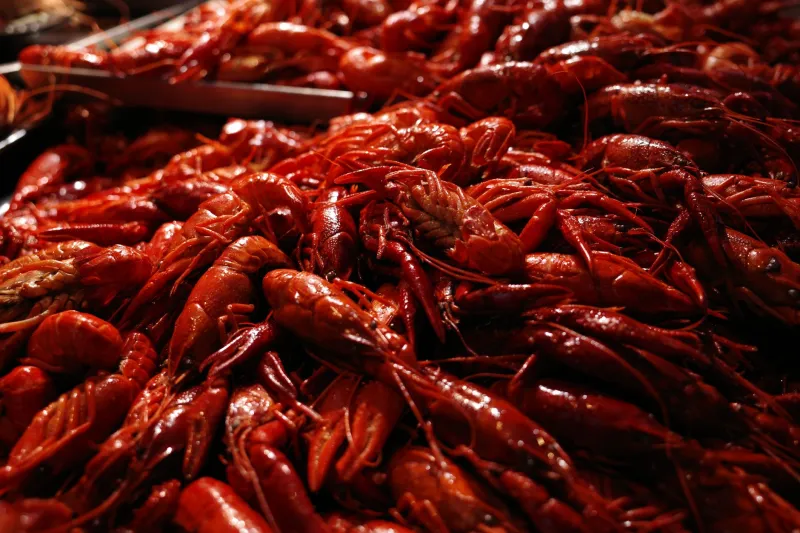
Poisoned Waters, Quiet Crisis: The Cancer Toll on Louisiana's Crawfish Country
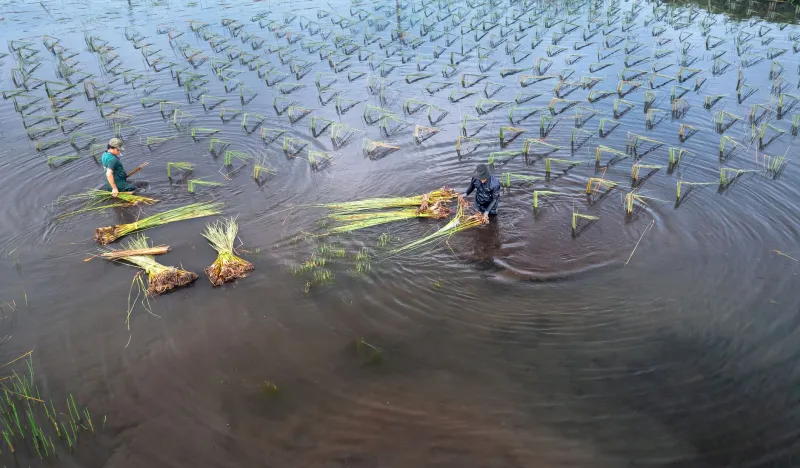
There's a certain romance to the image of a Louisiana crawfish farmer — waders on, flat-bottomed boat cutting through the flooded rice fields at dawn, traps stacked high. It's honest, physical work, and it feeds a culture that runs bone-deep across the Gulf South. But behind that image is a harder story, one that doesn't get told nearly enough at the boil tables where folks are cracking claws and passing the corn.
Cancer rates in Louisiana's rural coastal parishes have been quietly climbing for decades. And the people most exposed to the risks? In many cases, they're the same families who've been farming crawfish, working processing plants, and living alongside the bayous for generations.
A Geography That Works Against You
Louisiana sits at the bottom of the country like a funnel. Everything that drains off the American heartland — agricultural runoff, industrial discharge, pesticide residue — eventually finds its way into the Mississippi River and fans out into the coastal wetlands and waterways that crawfish call home.
For crawfish farmers, that means working in water that carries a complicated chemical history. Studies have flagged elevated levels of organochlorine pesticides, heavy metals like arsenic and mercury, and polycyclic aromatic hydrocarbons (PAHs) — a class of compounds linked to bladder, lung, and skin cancers — in Louisiana waterways, particularly in areas near agricultural land and petrochemical corridors.
Crawfish are bottom feeders. They live in the mud, they breathe through gills, and they absorb what's in the water around them. The farmers who handle them every day — pulling traps, sorting catch, wading through flooded fields — absorb some of that exposure too, through skin contact, inhalation, and years of proximity.
The Occupational Risk Nobody Talks About
Most conversations about cancer risk in Louisiana focus on "Cancer Alley" — the industrial stretch between Baton Rouge and New Orleans where petrochemical plants cluster along the Mississippi. That's a real and serious crisis. But the occupational risks faced by crawfish and seafood workers in the more rural parishes get far less attention, even though the exposure pathways are just as concerning.
Farmers applying herbicides to rice fields adjacent to crawfish ponds face direct chemical contact. Workers at processing facilities handle large volumes of product in conditions that can involve repeated skin exposure to contaminated water and sediment. Many of these workers lack adequate protective equipment, not because they're careless, but because the infrastructure of rural Louisiana's seafood economy has never been built with worker health as a priority.
And then there's the economic reality: when you're running a small crawfish operation on thin margins, you don't take days off to see a doctor. Symptoms get ignored. Diagnoses come late. By the time cancer is caught in many of these communities, it's already advanced.
Health Equity in the Crawfish Patch
The communities most affected by these risks are disproportionately low-income, and many are home to significant Cajun, Creole, Vietnamese-American, and Indigenous populations — groups that have been working Louisiana's waterways for generations and have faced persistent barriers to healthcare access.
Health insurance coverage rates in rural Louisiana parishes consistently fall below the national average. Specialist access is limited. The nearest oncology center can be an hour or more away, which matters enormously when you're going through treatment and don't have reliable transportation or can't afford to miss work.
This is where the concept of health equity becomes more than an abstract policy term. It means that the same people growing your food are less likely to survive a cancer diagnosis than someone living in a city with a major cancer center. That gap isn't inevitable — it's the result of specific, addressable failures in how we allocate healthcare resources.
What a Crawfish Boil Actually Does
Here's the part that should make every person who's ever attended a fundraiser boil feel something a little deeper about what they're doing.
When organizations like Crawfish for Cancer raise money through crawfish boil events, those funds support cancer research, patient assistance programs, and community health initiatives. In many cases, those initiatives flow back into the exact rural Gulf Coast communities where the crawfish came from in the first place.
That's not just a nice story. That's a genuine cycle of reciprocity. The culture produces the food, the food anchors the fundraiser, the fundraiser generates resources, and those resources — when directed thoughtfully — can support the very people who made the whole thing possible.
It means funding mobile screening clinics that reach rural parishes. It means supporting patient navigation programs that help a crawfish farmer in St. Mary Parish figure out how to get to a treatment center in Baton Rouge. It means backing advocacy efforts that push for cleaner waterways and better occupational safety standards in the seafood industry.
Listening to the People on the Water
Some of the most important voices in this conversation belong to the farmers and processors themselves — and they don't always feel heard by the broader cancer awareness world, which tends to center its messaging on survivors in suburban settings.
Many crawfish farming families are deeply private about health struggles. There's a cultural stoicism at work, a reluctance to ask for help that runs alongside a fierce community pride. But that same community pride is also what makes the crawfish boil such a powerful fundraising format. It's not charity in a way that feels foreign or uncomfortable — it's a gathering, a tradition, a way of being together that already exists in the culture.
Meeting people where they are, culturally and geographically, matters. Fundraising events that happen in the communities most affected — not just in city venues — send a different message. They say: we see you, we're here, and this is for you too.
The Long Game
Reducing cancer rates in Louisiana's crawfish country isn't going to happen overnight. It requires cleaner waterways, stronger environmental regulations, better occupational health protections, expanded Medicaid coverage, and more healthcare infrastructure in rural parishes. Those are big, slow-moving fights.
But fundraising events — and the awareness they generate — are part of how those fights get fuel. Every dollar raised, every conversation started, every person who learns something new about the health burdens facing Gulf Coast seafood workers moves the needle a little.
The crawfish boil has always been about bringing people together. Right now, one of the most important things it can do is bring attention to the people who've been quietly carrying a health crisis that the rest of the country hasn't been paying enough attention to.
The water feeds us. The least we can do is fight for the people who work it.