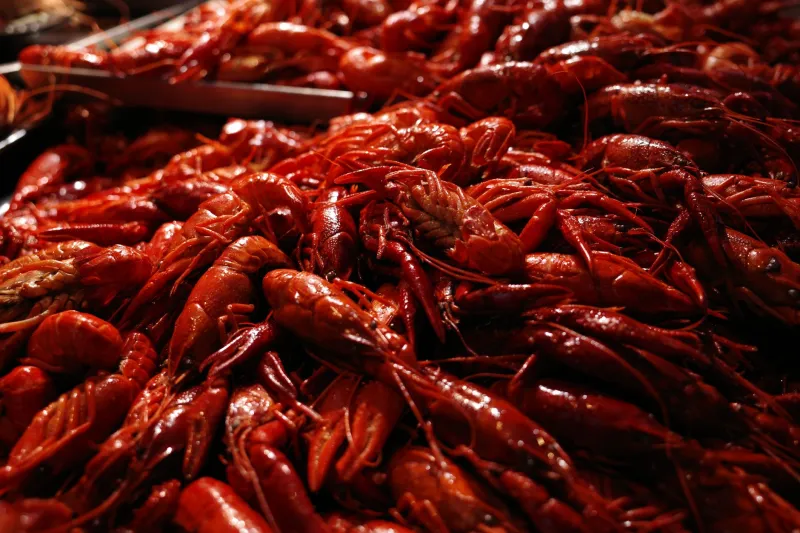
Beyond the Medical Bills: How a Crawfish Boil Can Fight the Financial Side of Cancer

When most people think about cancer fundraising, they picture research labs, clinical trials, and hospital wings with donor plaques on the wall. Those things matter. But ask someone who's actually been through a diagnosis what kept them up at night, and a lot of them won't say "finding a cure." They'll say something quieter and more immediate: How am I going to pay rent this month?
The financial fallout from cancer is one of the most under-discussed parts of the whole experience. And for the communities that gather around a crawfish pot—tight-knit, hardworking, fiercely loyal—it's also one of the most solvable problems a well-run boil can tackle.
The Bill Behind the Bill
Medical debt gets the headlines, and for good reason. A single round of chemotherapy can run tens of thousands of dollars. But the costs that quietly drain a family dry are often the ones that never show up on a hospital invoice.
Transportation is a big one. Cancer treatment isn't usually a single appointment. It's weeks, sometimes months, of driving to infusion centers, radiation suites, and specialist offices—often far from home. For rural patients in the South, that might mean three-hour round trips, multiple times a week. Gas adds up. Car repairs add up. And for patients who can't drive themselves, rideshare costs and caregiver time off work add up even faster.
Then there's lost income. A cancer diagnosis frequently means stepping back from work, whether temporarily or permanently. For hourly workers—the kind of folks who show up at crawfish boils and know everyone there by name—there's no paid leave cushion. Every missed shift is a real gap in the budget.
Nutrition is another silent casualty. Oncology dietitians will tell you that eating well during treatment is genuinely important for recovery outcomes. But when money is tight, fresh produce and high-protein foods are often the first things to go. Patients end up eating whatever's cheapest, which isn't always what their body needs most.
"We see it constantly," says one oncology social worker at a regional cancer center in Louisiana. "By the time patients come to us asking about financial assistance, they've already burned through savings, borrowed from family, and let a few bills slide. The medical costs are just the tip of the iceberg."
Why Generic Donations Miss the Mark
Here's the thing about a lot of fundraising: the money goes somewhere big and vague. A national organization. A research fund. A hospital foundation. None of that is bad, but it doesn't put gas in someone's tank on Tuesday morning when they have a 7 a.m. appointment 80 miles away.
One of the most powerful things a crawfish boil fundraiser can do is get specific. When you earmark your proceeds toward a local financial assistance fund—one that's set up to pay utility bills, cover transportation costs, or stock a family's pantry—you're not just raising awareness. You're solving a problem that someone in your zip code is dealing with right now.
Several regional cancer support organizations and hospital social work departments manage exactly these kinds of funds. They're designed to move quickly, with minimal bureaucracy, to cover the real-world expenses that insurance never touches. A call to your nearest cancer center's social work team is usually all it takes to find out who to partner with.
How to Structure Your Boil for Maximum Impact
Running a crawfish boil with financial assistance as the goal isn't complicated, but it does take a little intentional planning.
Choose a local partner first. Before you buy a single pound of crawfish, identify the organization or fund that will receive the money. Ideally, this is a group that can tell you exactly what the dollars will pay for—whether that's gas cards, grocery store gift cards, or direct bill assistance. Transparency builds donor trust, and trust builds bigger crowds next year.
Tell specific stories, with permission. Nothing moves a crowd at a boil like hearing from someone in the community who's been through it. If a patient or family member is willing to share what the financial side of their diagnosis looked like, that story will do more fundraising work than any flyer. Keep it real, keep it local, and let people see exactly who their contribution is helping.
Create a clear ask structure. Instead of a general donation jar, consider tiered giving options at the event. Something like: $25 covers one tank of gas to a treatment appointment. $50 fills a grocery order for a week. $100 pays one month's utility bill. When people know what their money does, they give more of it.
Loop in the crawfish vendors. Some local seafood suppliers and distributors are willing to donate a portion of product for charity events, especially when there's a community angle. That reduces your overhead and means more of every ticket dollar goes directly to patients.
What Patients Actually Say
A cancer survivor from rural Mississippi who attended a community boil fundraiser last spring put it plainly: "Everyone kept asking me how I was feeling, and I appreciated that. But what I really needed was for someone to help me figure out how to keep the lights on. When I found out the boil money was going toward an assistance fund that could help with exactly that, I cried. It felt like people actually understood what I was going through."
That kind of targeted generosity is what separates a crawfish boil from a bake sale or a fun run. There's something about gathering around a big pot of food—everyone eating together, kids running around, neighbors catching up—that makes the giving feel personal. It's not a transaction. It's a community saying we've got you.
Start the Conversation at Your Next Boil
If you're already organizing a crawfish boil fundraiser, or thinking about starting one, consider making financial assistance the centerpiece of your pitch this season. Talk to a local oncology social worker. Find out what the most pressing unmet needs are in your area. Then build your event around solving those specific problems.
The crawfish will taste the same either way. But the impact? That gets a whole lot bigger when you know exactly where it's going.
For more resources on setting up a targeted fundraising boil or connecting with local cancer financial assistance programs, visit crawfishforcancer.org.