Shell Shocked: How Crawfish and Southern Seafood Traditions Are Landing in Cancer Clinics
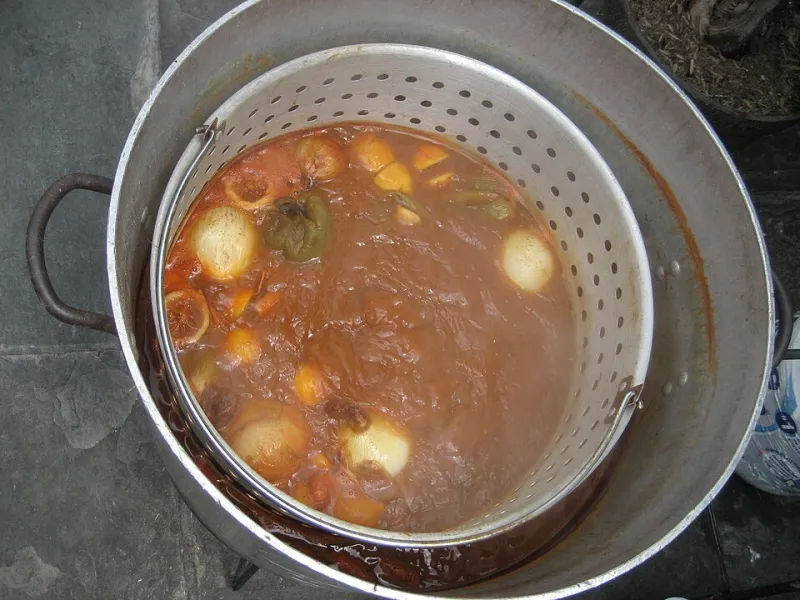
Photo: Infrogmation of New Orleans, CC BY 3.0, via Wikimedia Commons
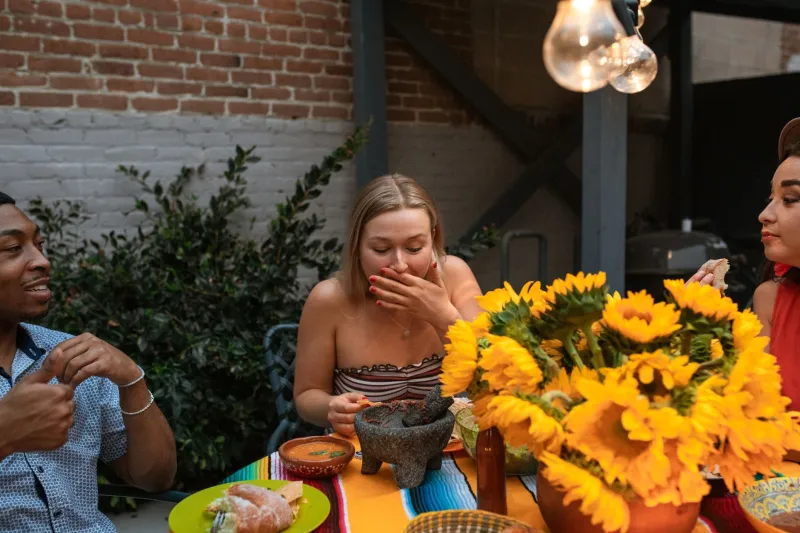
For generations, a crawfish boil wasn't something you planned around a nutrition label. You planned it around a Saturday afternoon, a long table covered in newspaper, and whoever showed up with cold drinks. The food was the point — the spice, the ritual, the mess of it all. Nobody was thinking about antioxidant bioavailability.
But some researchers and registered dietitians are starting to look at that table in a very different light.
Across the country, oncology nutrition programs are beginning to incorporate findings that validate what Gulf Coast communities have practiced for centuries. The ingredients, the techniques, even the social structure of Southern seafood cooking are showing up in clinical conversations about cancer care — and the results are genuinely surprising.
What's Actually in That Pot
Let's start with the crawfish itself. Most people toss the shells without a second thought. Turns out, that might be leaving something valuable behind.
Crawfish shells — along with shrimp and crab shells — are a meaningful source of astaxanthin, a carotenoid antioxidant that gives crustaceans their reddish color. Early-stage research has flagged astaxanthin as a compound with notable anti-inflammatory and antioxidant properties. Some oncology-focused nutrition researchers are paying attention because oxidative stress and chronic inflammation are well-documented contributors to cancer development and treatment side effects.
"We've known for a while that marine-based antioxidants behave differently than plant-based ones," says one registered dietitian who works with a comprehensive cancer center in the Gulf South region and asked not to be named due to institutional policies. "Astaxanthin in particular has a unique molecular structure that allows it to span cell membranes in a way that other antioxidants can't. That matters in cancer care."
She's careful to note that no one is prescribing crawfish shells as a treatment. But the compound's presence in a food that many Southern patients already eat regularly is worth factoring into dietary guidance, she says — especially when patients are asking about food-based ways to support their health during and after treatment.
The Spice Rack as Medicine Cabinet
Anyone who's been to a real Louisiana crawfish boil knows the seasoning is non-negotiable. Cayenne, bay leaf, thyme, garlic, onion, lemon — the blend varies by family and region, but the core herbs show up again and again. And each one of them has a research footprint in oncology nutrition.
Garlic contains organosulfur compounds that have been studied for their potential role in inhibiting tumor growth. Thyme and bay leaf are rich in flavonoids with documented antioxidant activity. Cayenne's active compound, capsaicin, has been explored in cell studies for its effects on cancer cell apoptosis — a process where damaged cells essentially self-destruct before they can replicate out of control.
"What's interesting from a clinical standpoint is that these aren't exotic ingredients we're trying to get patients to add to their diets," explains a dietitian who specializes in integrative oncology nutrition at a regional hospital system in Mississippi. "For a lot of our patients in the South, these flavors are already home. That's a huge advantage when you're trying to encourage dietary changes during a really difficult time in someone's life."
Cultural familiarity, she points out, reduces one of the biggest barriers in oncology nutrition counseling: patient buy-in. When a dietary recommendation feels foreign or complicated, compliance drops. When it tastes like your grandmother's kitchen, that changes the conversation entirely.
Slow Cooking and Bioavailability
There's another piece of this puzzle that doesn't get talked about enough: cooking method.
Traditional Southern seafood preparation — long simmers, layered seasoning added over time, cooking in aromatic liquid rather than dry heat — may actually enhance the bioavailability of certain nutrients. Research on lycopene, for example, has shown that heat processing increases how much the body can absorb. Similar patterns have been observed with other carotenoids.
Slow cooking in a spiced broth also draws minerals and compounds out of shells and bones into the liquid itself. In cultures where nothing goes to waste, the leftover boiling liquid has long been repurposed as a base for soups, grains, or sauces. Nutritionally, that's not a trivial habit.
"We talk a lot in oncology nutrition about getting patients enough zinc, selenium, and omega-3s during treatment," says a registered dietitian nutritionist who consults with cancer care programs across Louisiana and Texas. "Seafood-based broths and slow-cooked shellfish dishes can be a really accessible way to hit those targets, particularly for patients who are struggling with appetite or have texture sensitivities from treatment."
From Tradition to Treatment Plan
None of this means a crawfish boil is a cancer cure. That needs to be said plainly. But the direction of the research — and the clinical conversations happening quietly in oncology dietetics — points toward something meaningful: cultural food traditions aren't just comfort. For many patients, they're a legitimate piece of a well-rounded nutritional support strategy.
A growing number of cancer centers are beginning to integrate what's sometimes called "culturally responsive nutrition counseling" into their patient care models. Rather than handing every patient the same generic dietary handout, dietitians are asking where patients come from, what they grew up eating, and how those foods might be adapted to support their treatment and recovery.
For patients across the Gulf South, that conversation often circles back to the same table — the one covered in newspaper, stacked with crawfish, and surrounded by people who showed up to be together.
That table, it turns out, might have been doing more good than anyone realized.