Healing Around the Table: What Cancer Survivors Need to Know About the Power of a Crawfish Boil
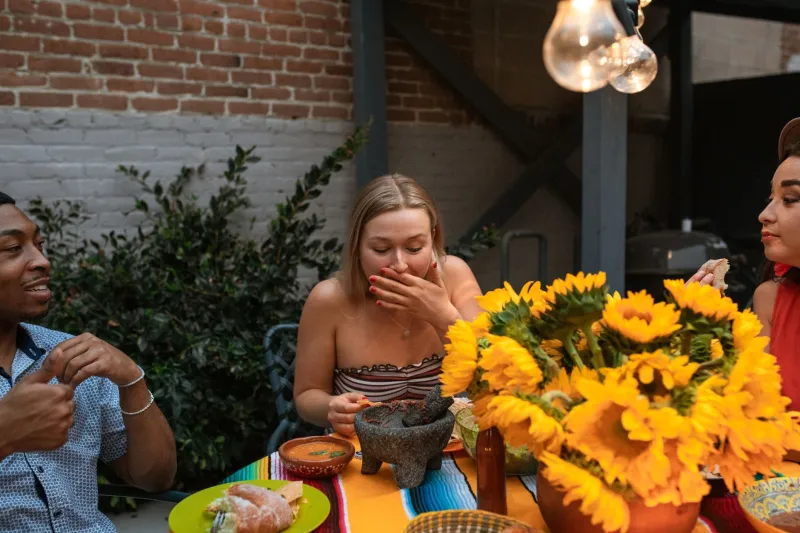
There's a moment at every crawfish boil — somewhere between the first crack of a mudbug shell and the third round of corn hitting your plate — when the world gets a little quieter. Conversations slow down. Laughter gets louder. Time, at least for a few hours, stops feeling like the enemy.
For people navigating cancer, that feeling isn't just a nice bonus. It might actually be part of the medicine.
Researchers have been studying the intersection of social connection, communal eating, and health outcomes for decades, and what they've found is striking. Gathering around food — especially in the kind of unhurried, hands-on, everybody-at-the-same-table way that a crawfish boil demands — does something measurable to the human body. And for cancer patients and survivors, those measurements matter.
What Happens in Your Brain (and Body) When You Eat Together
Let's start with the basics. When you share a meal with people you care about, your brain releases oxytocin — sometimes called the "bonding hormone" — along with a bump in serotonin and dopamine. These aren't just feel-good chemicals. They actively work to reduce cortisol, the stress hormone that, when chronically elevated, can suppress immune function and slow recovery.
For someone going through chemotherapy or radiation, or for a survivor managing long-term anxiety about recurrence, that cortisol reduction is genuinely significant. A 2017 study published in Social Science & Medicine found that people who ate socially reported higher levels of life satisfaction and greater feelings of trust and engagement with their communities — factors that are directly linked to better health outcomes in cancer populations.
Beyond the neurochemistry, communal eating also encourages people to eat more — and eat more slowly. For cancer patients dealing with appetite loss or nausea, the relaxed, social atmosphere of a boil can make food feel approachable again. There's something about peeling crawfish alongside a friend that takes the pressure off the act of eating itself.
Why the Crawfish Boil Is Uniquely Suited for This
Not all communal meals are created equal. A sit-down dinner at a restaurant has its charms, but it doesn't quite replicate what happens when you dump a hundred pounds of crawfish onto a newspaper-covered table and tell everyone to dig in.
The crawfish boil is participatory by design. You don't just eat — you work. You peel, you crack, you pass the hot sauce, you argue about the best way to suck the head. That shared physical activity creates what psychologists call "behavioral synchrony," a kind of coordinated action between people that deepens social bonds and increases feelings of belonging.
For cancer survivors, that sense of belonging is particularly powerful. Isolation is one of the most underreported side effects of a cancer diagnosis. People pull back from social situations — sometimes because they're physically depleted, sometimes because they don't want to burden others, sometimes because the world just feels different now. A crawfish boil is one of the few social settings where showing up, sitting down, and getting your hands a little messy is literally all that's required of you.
Practical Tips for Survivors: How to Participate Safely
None of this means you should push yourself before you're ready. If you're currently in treatment or early recovery, there are a few things worth keeping in mind before you RSVP to the next neighborhood boil.
Talk to your care team first. Some chemotherapy regimens affect how your body processes spicy food or high-sodium meals. Crawfish boils are notoriously heavy on both. Your oncologist or dietitian can help you figure out what modifications make sense for you.
Mind the heat — literally. Standing over a steaming pot in a Louisiana summer is a different experience when your body is managing treatment fatigue. If you're attending as a guest rather than hosting, stake out a shady spot and let someone else do the heavy lifting near the burner.
Modify the seasoning if needed. If a full-strength boil is too much, ask your host if they can pull out a portion of your crawfish early, before the full spice soak. Most people at a crawfish boil are happy to accommodate — that's kind of the whole culture.
Don't underestimate the emotional labor. For some survivors, social gatherings can bring up complicated feelings — grief, survivor's guilt, anxiety about being perceived as sick. Give yourself permission to leave early if you need to. Showing up at all is the win.
How to Host a Boil That Centers the Survivor Experience
If you're organizing a boil with a cancer patient or survivor in mind — whether it's a fundraiser, a "welcome back" celebration, or just a regular get-together for someone who's been through a hard stretch — a little intentionality goes a long way.
Keep the guest list manageable. Fifteen people around a table feels like a celebration. Fifty people can feel overwhelming for someone who's been mostly homebound. Start small and let the energy build naturally.
Build in low-key seating options. Not everyone can stand and peel for three hours. Set up comfortable chairs away from the main table where people can participate at their own pace.
Make the food work for everyone. Alongside the main boil, offer some milder sides — roasted vegetables, plain corn, bread — so that guests with dietary restrictions or sensitive stomachs still have plenty to enjoy.
And finally: let the conversation be whatever it needs to be. Sometimes people want to talk about their diagnosis. Sometimes they really, really don't. The best thing a host can do is create the conditions for connection and then get out of the way.
The Ritual Is the Point
There's a reason cultures across the world have centered healing practices around communal meals. Food is one of the oldest and most reliable ways humans have of saying you matter, you belong here, we're glad you're still at this table.
A crawfish boil, at its core, is an act of community. And for someone fighting cancer — or learning to live in the aftermath of it — community isn't just a comfort. It's a clinical asset.
So fire up the burner. Invite your people. And pass the Cajun seasoning.

